
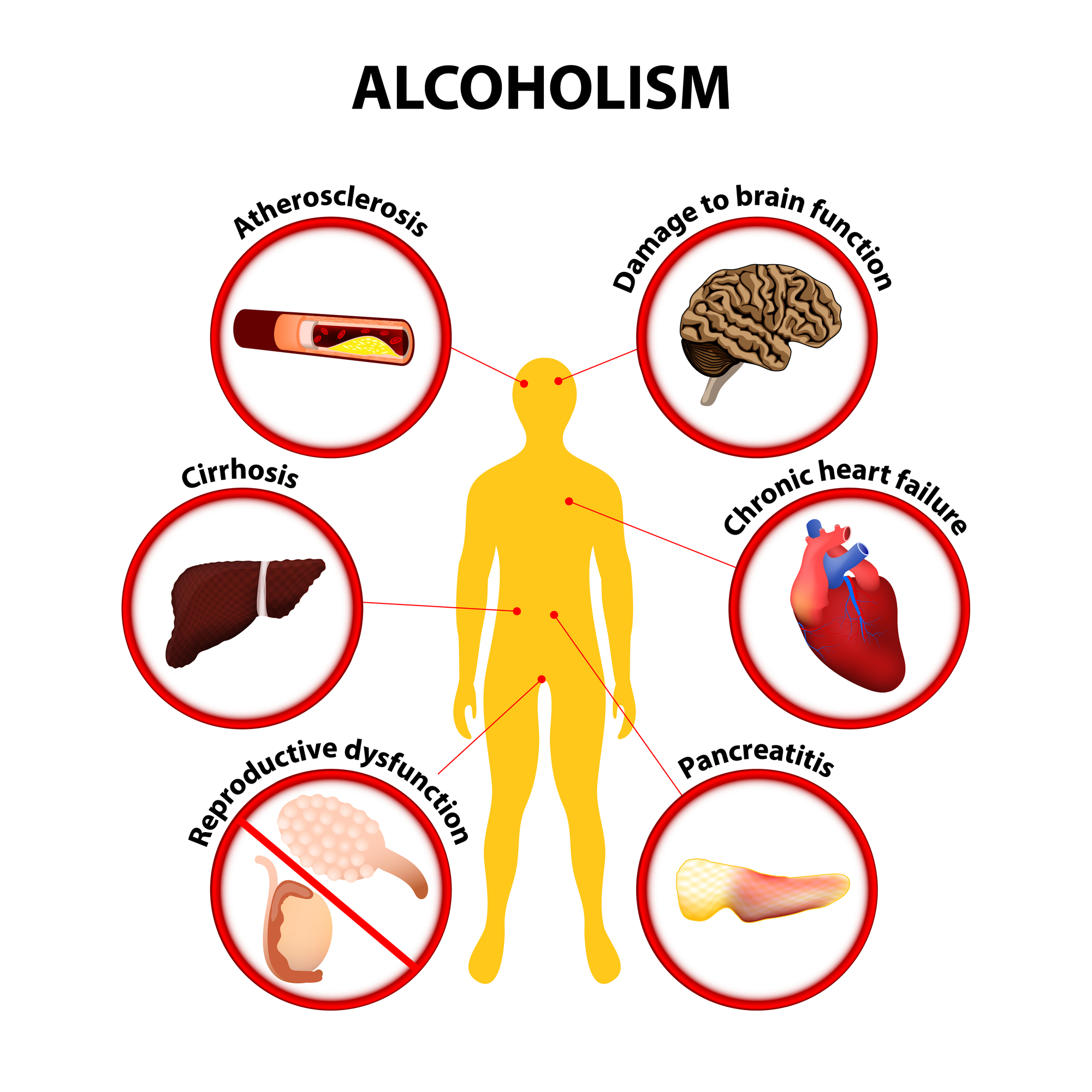
Alcohol use can take a toll on your mental and physical health. The health effects of alcohol are wide-reaching, and some last a lifetime. Health problems can develop if you drink alcohol frequently or if you drink a lot in a single session.
Factors that Impact How Alcohol Affects Health
Every person responds differently to alcohol consumption, so some people are at a higher risk of developing health complications than others. Genetics, gender, body composition, and your patterns of drinking can all affect how alcohol impacts your health.
How much you drink and how often you drink also affect your health risks. Different health problems may develop if you drink a lot in a single sitting compared to drinking daily for a long period of time. In general, the more you drink, the more your health is at risk.
Short-Term Effects of Alcohol Consumption
Binge drinking can cause short-term health effects that impair your ability to function normally, and heavy drinking over the course of just a few hours could have deadly consequences. The Centers for Disease Control and Prevention (CDC) defines binge drinking for women as having 4 or more drinks on a single occasion and for men as having 5 or more drinks on a single occasion. While most people who binge drink don’t have alcohol use disorder, they can still suffer from short-term health issues due to excessive drinking.
Some of the health issues that might develop from a single drinking session include:
- Loss of coordination
- Flushed skin
- Difficulty concentrating
- Increased blood pressure
- Mood swings
- Lowered body temperature
- Vomiting
- Passing out
If you drink too much alcohol in one sitting, alcohol poisoning is a possibility. An overdose of alcohol can be fatal. Some signs of alcohol poisoning include:
- Slowed breathing
- Pale or blue-tinted skin
- Vomiting
- Confusion
- Hypothermia
- Unconsciousness
- Seizures
People who drink heavily also may be prone to acting irrationally or impulsively while under the influence of alcohol, which can lead to dangerous situations with significant health impacts. Drinking and driving is a significant cause of motor vehicle accidents, and alcohol use may also put you at higher risk of falls, burns or drowning.
Alcohol can lower inhibitions, which may make you more prone to getting into fights or engaging in unsafe sexual behavior that could lead to injuries or a higher risk of catching sexually transmitted diseases. Unwanted pregnancy is another potential risk of unsafe sexual behavior while under the influence of alcohol.
Long-Term Health Effects of Alcoholism
People who are addicted to alcohol and those who drink heavily are at higher risk for a wide range of health complications. Women who have more than 8 drinks a week and men who have more than 15 drinks per week are considered heavy drinkers by the CDC. Chronic health conditions that might develop from heavy drinking include:
- High blood pressure
- Heart disease, including cardiomyopathy and irregular heartbeat
- Strokes
- Cancers, including cancers of the throat, larynx, esophagus, colon, rectum, liver, and breast
- Liver disease, including fatty liver disease, hepatitis, cirrhosis, and fibrosis
- Pancreas damage, including an increased risk of acute and chronic pancreatitis
Heavy drinking also makes you more prone to developing a substance abuse disorder or becoming addicted to alcohol.
Mental Health Issues and Excessive Drinking
 Excessive alcohol use can affect your mind as well as your body. Alcohol abuse can cause long-term brain damage, and mental health disorders can occur in conjunction with addiction to alcohol. Long-term alcohol abuse or addiction can reduce the amount of gray and white matter in the brain, which can damage your ability to concentrate and retain memories.
For some people, this damage is permanent, meaning brain function isn’t restored after the person quits drinking.
If you have an existing mental health condition, such as depression or anxiety, drinking heavily could make your symptoms worse. Some people use alcohol as a way to cope with emotional or mental distress. This can lead to difficulty developing healthier coping mechanisms, which causes an ongoing cycle of alcohol use that exacerbates your existing problems.
Drinking an excessive amount of alcohol could bring on psychiatric symptoms, such as psychosis and anxiety. If you’ve become addicted to alcohol, you might experience psychiatric symptoms during withdrawal, such as hallucinations.
The Effects of Heavy Drinking During Pregnancy
Drinking alcohol during pregnancy affects the unborn child as well as the mother. Heavy drinking has been associated with poor pregnancy outcomes, including a higher risk of stillbirth, miscarriage, premature birth, and sudden infant death syndrome (SIDS).
Fetal alcohol syndrome is a serious long-term health condition in infants born to mothers who consumed alcohol during their pregnancy. Babies with fetal alcohol syndrome may be born with damage to the nervous system as well as growth problems and distinct facial features associated with the condition. Fetal alcohol syndrome is part of a set of related disorders called fetal alcohol spectrum disorders (FASD) that range in severity from mild symptoms to lifelong organ damage.
While the long-term health impact of alcohol use are significant, many can be mitigated if you stop drinking. If you or a loved one is ready to begin a journey of recovery, give Recovery at the Crossroads a call today at 888-342-3881.
