
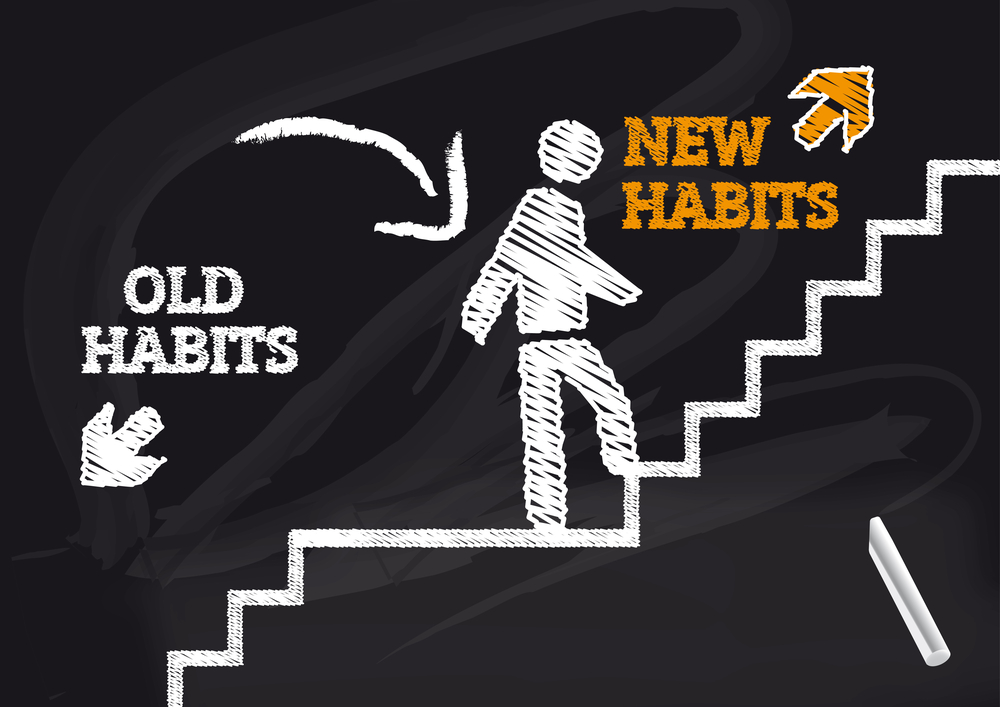
Routines that promote sobriety include healthy, repeatable habits like keeping a consistent sleep schedule, eating nutritious meals, exercising regularly, managing stress, making time for self-care, attending support groups, and staying engaged in hobbies or other enjoyable activities. After drug or substance abuse treatment, the early recovery phase is an exciting and challenging time, and it’s normal to feel overwhelmed by the prospect of changing most of your old habits.
For people recovering from addiction—and for loved ones who want to support sobriety at home—building structure after treatment can make the difference between feeling unsteady and creating a stable, healthy lifestyle. Positive routines help reduce relapse risk, strengthen self-control, and support better mental and physical health. This article explains why routines matter in recovery, the benefits of healthy habits, seven specific habits that support sobriety, and practical ways to create a routine you can maintain over time.
If you or a loved one would like to learn about Recovery at the Crossroad’s programs for drug or alcohol addiction, contact us today: 888-342-3881
Maintaining sobriety will be more challenging once you leave your program. But with a healthy daily routine, you can change your default setting from old destructive habits to new and wholesome activities. Learn more below.
Nature and science support the importance of consistency and routine, especially when recovering from substance abuse. For example, an NIH NIDA report advises recovering addicts to have recovery routines to avoid too much free time. Excessive free time and unplanned idle time can become a significant trigger for relapse, increasing the risk of falling back into old, unhealthy patterns.
Below are some reasons to have positive routines:
- To build healthy habits. Sticking to a routine long enough builds a habit. Supporting a sobriety journey requires consistent healthy habits, and once this happens, it takes less effort to initiate the new routine or behavior; habit formation often takes about 66 days, so follow-through gets easier over time.
- To increase your feeling of control. Addiction takes away your power and self-esteem, creating negative feelings. Making a conscious effort to make positive changes can empower and build confidence. In turn, this can make you feel more capable of sticking with the positive changes you make
- To create a new normal. Before addiction recovery, you may have spent a lot of time engaging in destructive habits. Positive routines in early recovery create stability, and predictable patterns within a predictable schedule help reduce uncertainty during the recovery process while providing a sense of security and comfort until the habits overwrite your old habits
- To provide opportunities to exercise restraint. Substance abuse disorders often erode your self-control, which is critical to maintaining long-term sobriety. Self-control is like a muscle; self discipline grows with practice and supports recovery efforts each time you exercise it. Therefore, enforcing healthy habits builds your self-control so that you can resist the urge to use harmful substances.
- To boost your well-being and mental health. Positive routines, like eating well and exercising, are great for your physical and mental health. The little victories of sticking to routines boost confidence and help manage stress. Practices such as mindfulness and meditation are key components of a structured routine that can improve emotional health, increase self-awareness, and support overall well-being.
- To avoid boredom. If you aren’t returning to work immediately, positive routines can help you occupy your time gainfully. It isn’t about staying busy every second; however, identifying and avoiding triggers can strengthen sobriety, and long stretches of unstructured time are one of them that can lead you back to destructive habits and even substance abuse.
It’s difficult to enforce new routines when you come home from medication-assisted treatment or drug rehab. However, sticking to your recovery routine within a structured daily routine will lead you to a healthier lifestyle, one that features:
- A healthy mind and body
- A consistent sleep schedule
- Reduced stress or anxiety
- Increased productivity
- Reduced feelings of vulnerability and fear
- Maintaining recovery and sobriety
- Learning new hobbies or activities
- Making wholesome relationships
7 Habits That Establish Structure and Promote Sobriety
When struggling with substance abuse and addiction, most individuals lose any structure or routine in their lives. Therefore, it can be hard to establish a daily schedule and a well structured routine after getting home from treatment.
Research shows that it takes about 66 days for a new habit to become automatic — that is, to do without thinking (like fastening your seatbelt when you enter a car). This is why the first two to three months after addiction recovery are crucial to building routines to encourage long-term sobriety, and building structure and meaningful activities supports long term recovery.
Here are seven helpful habits that can help you maintain physical and mental health and boost your recovery journey. Defining clear goals keeps recovery focused and purposeful, so these habits should reflect your recovery goals and remain flexible as life evolves to support lasting recovery and successful recovery.
Build a Consistent Sleep Cycle
Build a consistent sleep schedule by getting enough sleep and waking up around the same time, even on off-days and weekends. This will recalibrate your internal clock and maximize rest and repair while you sleep, which also supports steadier energy levels and better physical health during recovery.
Shoot for at least eight hours of sleep every night, and create a consistent pre-bedtime routine. Relax before bedtime by avoiding screens and blue light, listening to calming music, dimming lights or lighting scented candles, taking a relaxing bubble bath or reading a good book. The goal is achieving balance, not perfection.
If you have sleep problems due to your former lifestyle, it’s critical to seek help. Professional support can play a crucial role when sleep problems threaten sobriety. Sleep disorders can increase your risk of relapsing, especially in early recovery. If you can’t sleep, try to find an interesting activity to keep yourself occupied until you fall asleep.
Eat Healthy Meals
Your food fuels your body and mind; therefore, eating healthy meals with nutritious ingredients is important. All meals should combine complex or whole-grain carbs, proteins, vegetables and fruits. You’ll find that you have a stronger body, clearer head, better skin and more energy if you eat right.
If you have a demanding job, schedule one afternoon to shop for groceries, and prepare make-ahead meals during your off-days. Experiment with various recipes to add spice to your meals and encourage yourself to eat at home instead of indulging in unhealthy takeout or snacks or skipping meals.

Regular Exercise
You don’t have to implement a rigorous fitness routine; choose an activity that fits your daily routine and lifts your spirits. Anything from a 20-minute walk in your neighborhood to yoga can be a great way to include exercise in your daily routine, and regular movement plays a crucial role in supporting overall well-being during recovery. Choose an outdoor walk over a treadmill indoors to get fresh air and sun and connect with the surrounding people.
If regular exercise is too strenuous, reduce it to three times a week to start and increase the frequency as your routine becomes more established. Even when you start small, daily physical activity improves emotional resilience and physical health. You can also sign up for outdoor group activities that you like, such as hiking, weekend yoga, biking and strength training, to add variety to your fitness schedule.
Prioritize Self-Care
Your bid to establish a healthy routine shouldn’t become a quest to occupy your every wakeful minute. Instead, avoid over-scheduling yourself and carve out time for self-care, hobbies and activities that enrich your soul. Self-care is one of the key components of a healthy recovery routine and helps support positive habits.
Self-care can take any form as long as it leaves you feeling cheerful and refreshed, and regular self-care activities improve physical and emotional health. For example, maintaining personal hygiene reinforces self-worth and self discipline. However, avoid self-indulgence in unhealthy habits that can increase your risk of relapse.
Practice Stress Management
Stress can quickly get out of hand and lead to depression or substance use; therefore, you must proactively prevent and manage it as part of a structured routine that supports sustained recovery. Avoid over-committing yourself to decrease pressure at work or with family and friends. Also, make a habit of talking about things that weigh you down with trusted friends or a therapist.
Meditation and mindful breathing techniques can be useful stress management tools, and mindfulness practices help manage stress and emotions. For example, for just 10-20 minutes daily, you can focus on deep breathing and listening to an affirming meditation guide.
You can also block out five minutes during your day when feeling overwhelmed to reassure yourself that you’re in control and you can handle whatever comes your way, which can build self confidence during difficult moments in recovery. Once you know how to practice meditation and mindful breathing, you can use them anywhere to reduce stress or anxiety quickly.
Attend Mutual Support Groups or Recovery Meetings
Support group meetings and therapy sessions are key parts of a structured routine after treatment for substance use disorder, and mutual support groups and networks are critical to maintaining sobriety after leaving a men’s or women’s rehab program. Stay close to your support network, whether it’s AA/NA/SMART/SOS meetings, daily chats with a person in recovery (peer or sponsor) or simply socializing with a new friend and sharing personal recovery stories. Regularly attending recovery meetings provides essential social support and reinforces recovery goals. Scheduled group meetings can also reduce isolation and strengthen long term recovery.
Make an effort to repair and nurture relationships with sober friends, and stay away from your former hangouts where drug or alcohol use prevails. It’s critical to be around people who can hold you accountable and offer support, advice and empathy to remain sober, because those connections also support successful recovery.
Get a Hobby or Fun Activity
Your early recovery is the perfect time to pick up a new hobby or activity, replacing idle time with meaningful activities during the recovery process. Try out different things or learn a new skill, since developing hobbies can create a stronger sense of purpose in recovery. For example, take a class that interests you, join a sports team or take up a DIY project at home. Whatever the activity, it should help you feel relaxed, boost your mood and leave you feeling proud of yourself. Celebrating milestones in a new hobby can maintain motivation and support lasting recovery.
Creating a Routine in Recovery
Building a new, sober lifestyle can seem overwhelming when you come home after addiction treatment. That’s why our New Jersey alcohol and drug rehab center offers our general outpatient program (GOP) and intensive outpatient program (IOP)to help you reintegrate into society as a sober and empowered individual, and ongoing outpatient support can play a crucial role in long-term recovery as life evolves. For 1-3 hours every week, you can come to our facility to receive advice and encouragement to help you navigate the unsettling time of early recovery at home.
If you or your loved one needs help beating a drug or substance use disorder, call us now at 888-342-3881 or check our insurance page to see whether your insurer will cover addiction treatment. Professional care can support successful recovery and overall well-being.
Reach out to us; we’re here to help. You’re not alone.
.
